Digital wellness
Bloom’s 30-Day Reset Challenge
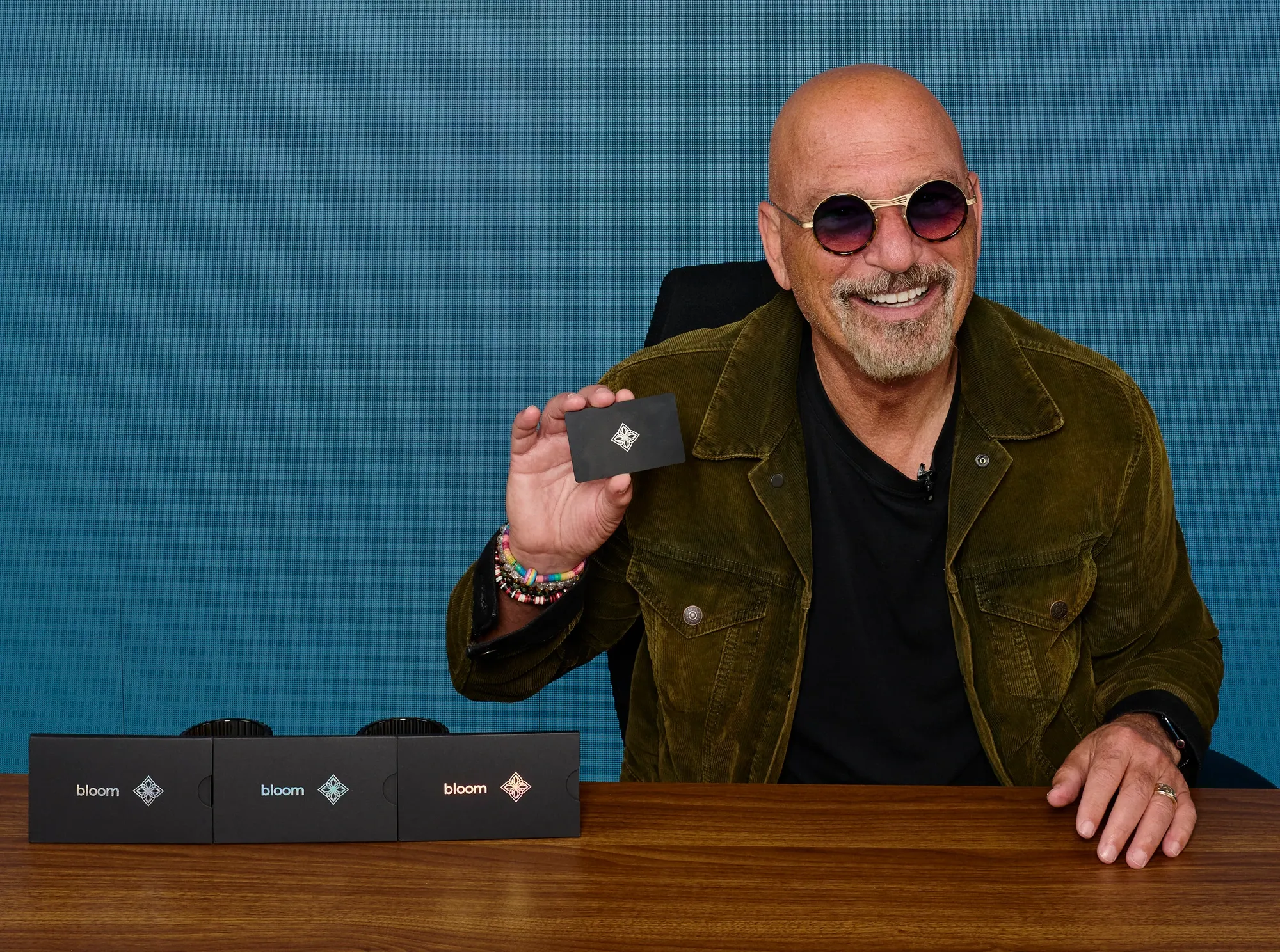
You’ve set the limits. Deleted the apps. Left your phone in another room. And still, you tap “Ignore Limit,” reinstall by Thursday, and lose another night to the scroll. It’s not you, it’s the design: every blocker on your phone is three seconds from being switched off, so it caves the moment you’re tempted.
The 30-Day Reset Challenge fixes that. It’s built on Bloom and backed by Howie Mandel, who has spent years advocating for ADHD awareness and a more present life.
Start the 30-Day Reset ChallengeBefore & after
What 30 days looks like.
The same phone, 30 days apart. Fewer pickups, longer focus, and evenings that are yours again.
On the phone
Scattered
Attention in fragments. A pickup every few minutes. Evenings gone before you notice.
30 days in
Present
Long, unbroken stretches of real focus. Calmer evenings. You’re back in the room.
Why Bloom.
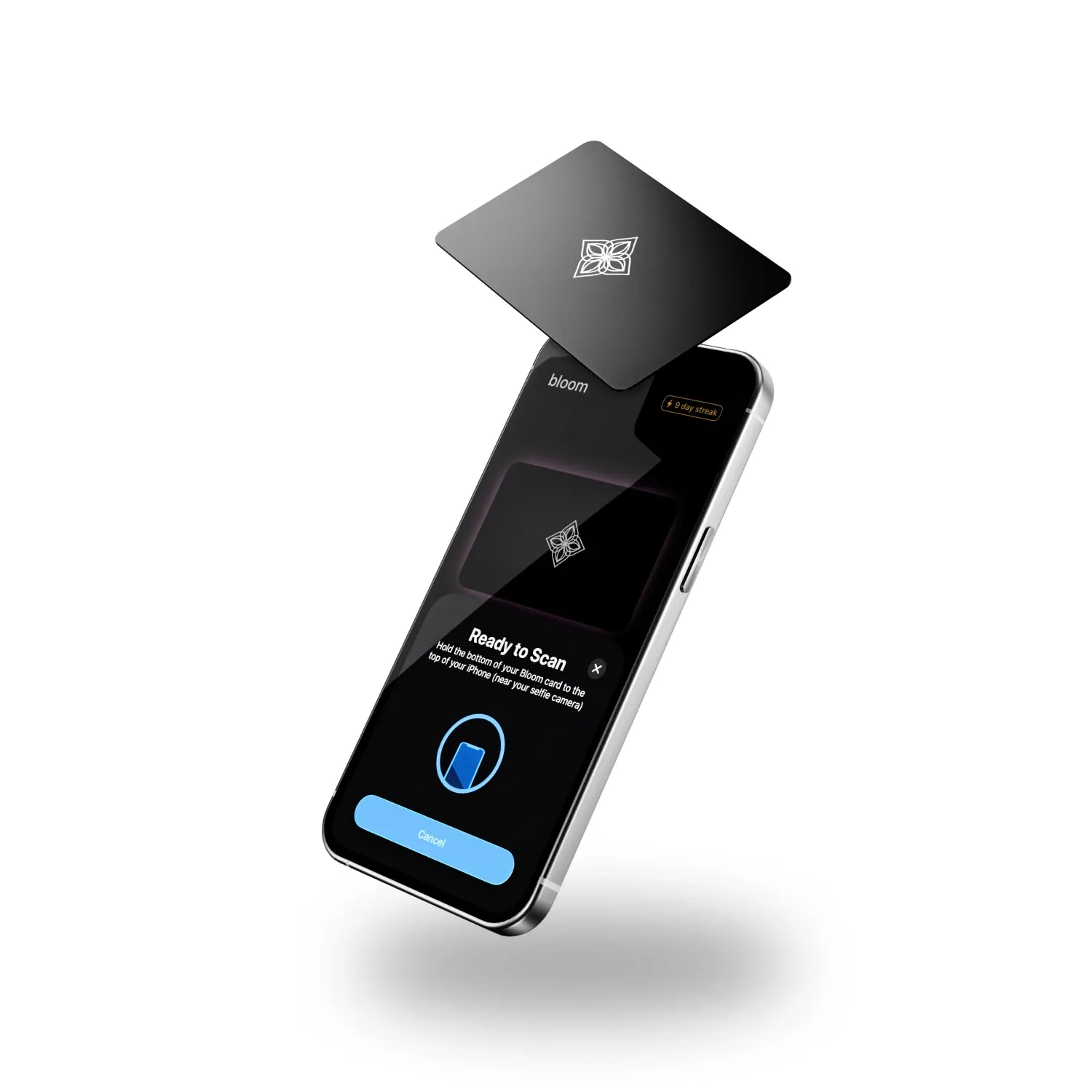
Bloom is a metal keycard that locks your most distracting apps, and it’s the tool the whole 30-Day Reset Challenge runs on. Walk away from the card and the key to your distractions goes with it. No “extend.” No “just this once.”
What members report.
After a month living with the card:
- 91%
- report sharper focus
- 92%
- cut their screen time
- 97%
- feel more mindful on their phone
Why 30 days.
Set up your card on day one. Widen your locked windows over four weeks. Check your focus analytics on day thirty. That window isn’t marketing. It’s one of the most studied habit changes in behavioral science.
3 weeks
In a 2025 randomized trial, people who cut screen time to under two hours a day for three weeks saw measurable gains in stress, mood, and sleep.
Pieh et al., BMC Medicine, 2025
3+ hrs
A 2024 population study linked 3+ hours of daily phone use to higher odds of mental-health difficulties.
Problematic smartphone usage study, 2024
External research on screen time reduction generally. Individual results vary. Bloom is a focus tool, not a medical device or treatment.
Start the 30-Day Reset Challenge